How Electronics Recycling Can Assist Businesses Go Green: Eco-friendly Initiatives for Enterprises
Electronics recycling offers a critical chance for businesses seeking to improve their environmental responsibility initiatives. By handling e-waste efficiently, organizations can reduce their environmental footprint and recover valuable materials. Furthermore, adopting these strategies can improve company reputation among environmentally aware consumers. Nevertheless, many businesses may overlook the intricacies associated with implementing a successful recycling plan. Comprehending these subtleties is vital for steering the course toward greener business practices and realizing long-term advantages.
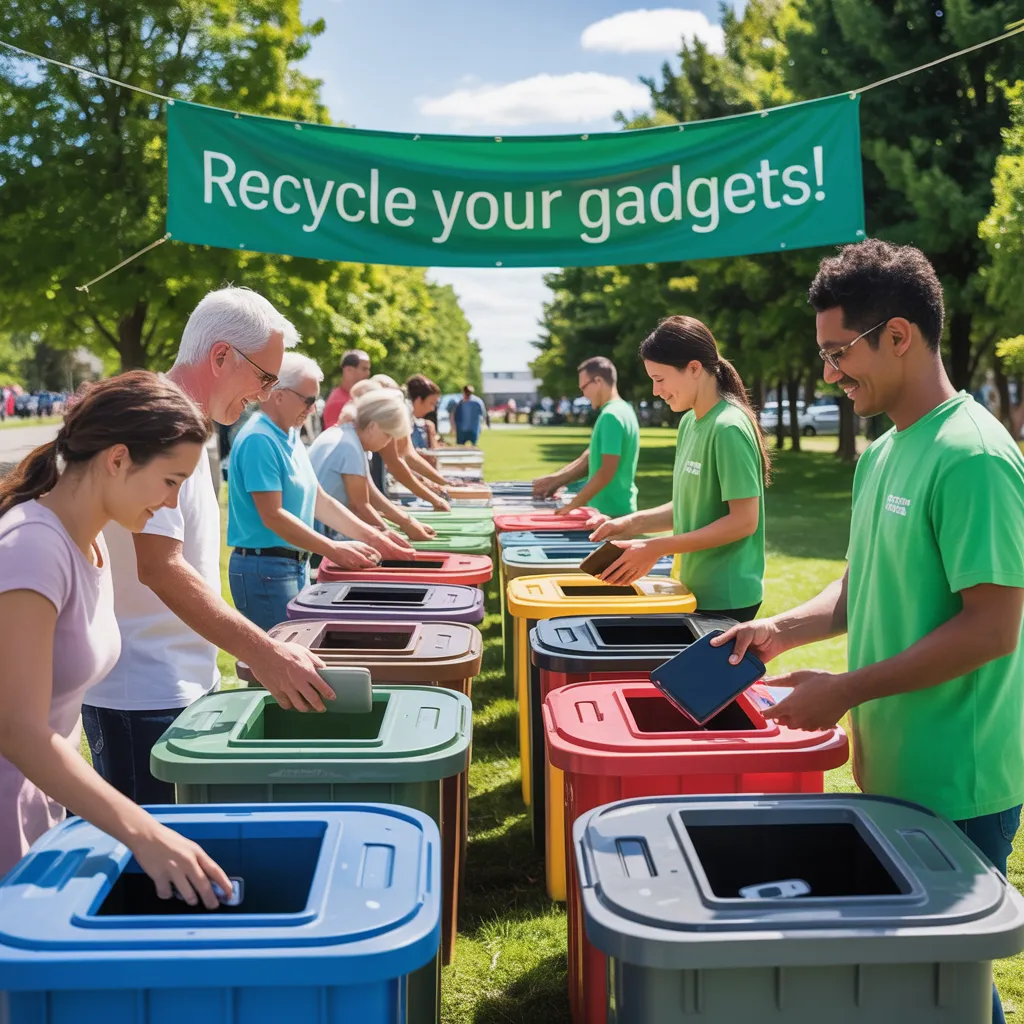
Why Electronics Reclamation Is Important for Businesses
Although many companies may overlook the relevance of electronics waste management, it serves as an vital factor in promoting sustainability and decreasing environmental impact. As technological progress accelerates, companies regularly upgrade their electronic systems, resulting in a increasing volume of e-waste. Correct recycling guarantees that valuable materials are recovered, limiting the need for new material extraction and saving energy.
In addition, participating in electronics recycling can improve a company's brand image. Consumers increasingly support businesses dedicated to sustainable practices, and demonstrating responsibility in managing e-waste can attract environmentally conscious customers. Adherence to regulations regarding electronic waste also protects businesses from potential legal liabilities and fines.
Furthermore, recycling can result in financial benefits. By responsibly disposing of outdated electronics, companies can minimize waste disposal fees and extract financial value from recyclable materials. Overall, adopting electronics recycling is not merely an ethical choice; it is a tactical business decision that supports modern sustainability goals.
How Reprocessing Electronics Reduces Environmental Impact
Electronics recycling serves as an crucial role in reducing environmental impact by conserving natural resources and reducing e-waste pollution. By reclaiming valuable materials, this practice supports the promotion of circular economy concepts. As businesses engage in responsible recycling, they contribute to a more sustainable future.
Safeguarding Natural Resources
Recycling e-waste considerably aids the conservation of natural resources by reclaiming valuable elements. Many electronic devices contain precious metals such as gold, silver, and palladium, which are extractable and reusable. This process lowers the necessity of mining, a resource-heavy operation that depletes ecosystems and uses significant energy. Moreover, recycling assists in recovering rare earth elements that are necessary in manufacturing new technologies. By diverting electronic waste from landfills, businesses also diminish the environmental impact of resource extraction but further promote a circular economy. This sustainable habit allows companies to reduce their carbon footprint, lower production costs, and champion environmental stewardship, ultimately fostering a healthier planet for future generations. Through responsible recycling, businesses can pioneer conserving essential natural resources.
Reducing E-Waste Contamination
A significant part of worldwide waste includes electronic devices, contributing to increasing environmental pollution. E-waste that is disposed of improperly emits harmful substances including heavy metals and toxins, which contaminate soil and water sources. The recycling of electronics minimizes these dangers by making sure harmful parts are handled safely and responsibly. By repurposing materials like metals, plastics, and glass, recycling cuts down on new resource extraction, further reducing environmental harm. Recycling schemes also aid in the responsible disposal of obsolete devices, enabling businesses to meet environmental rules. By engaging in electronics recycling, companies not only reduce their carbon footprint but also promote a healthier ecosystem. Such a proactive strategy demonstrates corporate responsibility as it effectively tackles the urgent issue of e-waste pollution.
Promoting Round Economy Methods
Launching extensive electronics recycling initiatives acts as an vital pillar in nurturing circular economy models. Through processing discarded electronics, corporations can substantially reduce the appetite for source materials, accordingly safeguarding irreplaceable resources and mitigating ecological degradation. Such activity enables the salvage of significant components, prolonging the lifecycle of products and decreasing the volume of electronic waste routed to waste facilities. Similarly, by taking on circular business models, organizations can fortify their brand reputation and meet market needs for sustainable practices. Championing thoughtful recycling practices additionally stimulates innovation in product development, encouraging suppliers to construct apparatus that are more convenient to dismantle and process. Fundamentally, integrating electronics recycling into business practices promotes a more environmentally conscious world, benefiting both the natural world and the economy.
Primary Gains of Electronics Recovery for Businesses
Electronics reprocessing offers significant advantages for businesses, primarily through cost savings and ecological footprint decrease. By properly recycling old devices, organizations can minimize disposal costs and retrieve valuable materials. Furthermore, embracing recycling practices enhances corporate responsibility and encourages eco-friendly initiatives.
Budget Savings Chances
Many organizations are identifying substantial cost savings through effective e-waste recycling practices. By introducing these programs, enterprises can reduce costs connected to e-waste, as recycling tends to cost less than landfill disposal. Beyond that, valuable materials recovered from outdated electronics can be resold, generating revenue and compensating for replacement costs. Optimized recycling approaches also lower storage costs for outdated equipment, opening valuable office space. Moreover, several organizations enjoy from tax incentives related to eco-friendly practices, adding another dimension of financial advantage. Overall, adopting electronics recycling not only promotes corporate responsibility but also encourages economic efficiency, enabling businesses to allocate resources more effectively and strengthen their bottom line.
Environmental Footprint Reduction
A major reduction in ecological impact is one of the fundamental advantages organizations receive when they introduce comprehensive electronics waste management. By recovering useful equipment, firms can limit toxic debris, such as hazardous compounds and noxious waste, that can pollute soil and water bodies. This not only contributes to safeguarding natural reserves but also lowers the emissions footprint stemming from constructing new devices. Additionally, managing reduces energy consumption, as it often requires reduced operational energy to work with reclaimed materials than to extract and treat untreated raw materials. As bodies execute such methods, they build circular business models, fostering environmental stewardship and preservation. Ultimately, responsible waste management enables organizations to strengthen sustainability image while helping the environment.
How to Implement a Accomplished Electronics Reprocessing Initiative
Putting together a accomplished electronics recycling strategy requires careful design and execution. Firms should proceed by inspecting their active electronic waste management routines to identify portions for progress. This evaluation should include an inventory of deprecated apparatus and an assessment of disposal methods.
Initially, institutions need to define clear objectives regarding their environmental programs, which might feature cutting waste amounts, improving recycling success rates, or advancing green initiatives. Engaging employees through training workshops promotes an ethos of environmental stewardship and supports involvement in green initiatives.
Additionally, establishing a schedule and budget is essential for monitoring progress and ensuring resources are allocated efficiently. Frequently reviewing and updating the strategy based on feedback and changing regulations helps maintain compliance and effectiveness. By incorporating these elements, companies can establish a robust electronics recycling strategy that not only helps the environment but also promotes corporate responsibility and strengthens their sustainable image.
How to Pick the Right Electronic Device Recycling Partner
How might a business ensure that its e-waste recycling service provider aligns with its environmental objectives? Identifying the right recycling partner involves thorough assessment of their procedures and certifications. Businesses should pursue partners who hold certified credentials, such as R2 or e-Stewards, which confirm adherence with environmental standards.
Furthermore, businesses should inquire about the partner's recycling methods, including the approaches for managing hazardous materials and the proportion of materials recycled compared to those deposited in landfills. Transparency in data reporting and management processes is also crucial.
Furthermore, a solid reputation in the industry can be indicative of reliability; businesses may gain advantages from feedback and endorsements from other clients. Engaging in open communication about environmental objectives will help ensure alignment. Ultimately, selecting a partner dedicated to responsible waste management can greatly enhance a corporation's overall green initiatives.
Dispelling Frequent False Beliefs Regarding Electronics Recycling
Many organizations understand the value of electronics recycling, yet numerous myths continue that can limit proper practices. A frequent misconception is that all electronics may be thrown away in regular recycling bins. In fact, specialized facilities must be used to process electronic waste safely. Another myth claims that recycling electronics is prohibitively expensive for businesses. Actually, a variety of recycling programs deliver free or low-cost services that can eventually save companies money by reducing waste disposal fees. Furthermore, some believe that concerns about data security make recycling too unsafe. Nevertheless, reputable recycling partners offer certified data destruction services, making certain that sensitive information is carefully handled. Finally, some hold the idea that recycling electronics has negligible environmental impact. In truth, proper recycling substantially reduces e-waste in landfills and protects valuable resources. Debunking these myths is crucial for businesses aiming to embrace sustainable practices and help the environment.
Tracking Your Electronics Recycling Success
Businesses that effectively debunk myths about electronics recycling often find themselves enthusiastic to assess their progress. Tracking key performance indicators is important for evaluating the success of recycling efforts. Metrics such as the amount of e-waste recycled, the percentage of materials retrieved, and financial benefits can supply valuable insights.
Additionally, businesses should evaluate their greenhouse gas emissions decrease and compliance with eco-friendly standards. Engaging employees through awareness campaigns can also be measured by engagement levels in recycling programs.
Considering customer feedback can further enhance understanding of the recycling program's impact. Ongoing assessments and reporting on these indicators not only highlight successes but also reveal areas for improvement.
Ultimately, an orderly approach to evaluating electronics recycling success facilitates businesses to make analytics-based decisions, nurturing a culture of sustainability that benefits both the environment and the organization.
Frequently Questioned Subjects
What Kinds of Electronic Devices Are Able to Be Recovered?
Various kinds of electronic goods are able to be recycled, covering computers, smartphones, tablets, televisions, printers, refer to this page and gaming consoles. These items typically hold valuable materials that can be reused, reducing waste and promoting environmental sustainability.
How Regularly Should Organizations Refurbish Their Electronics?
Organizations should recycle their electronic equipment at least once annually, or more frequently guided by infrastructure improvements and device replacement. Ongoing recycling initiatives guarantees efficient resource management and compliance with green standards, supporting environmental consciousness within the organization.
Do Electronics Recycling Programs Carry Associated Charges?
Yes, there are costs associated with electronics reclamation, such as gathering, transportation, and processing charges. However, these costs can be balanced by potential savings from decreased waste disposal and adherence to environmental regulations.
Does Recycling Electronics Pose Data Protection Risks?
Yes, electronic recycling can generate data security risks if proper procedures are not followed. Confidential data may be unintentionally exposed during the recycling process, underscoring the importance of safe information elimination techniques before removal.
What Certifications Should a Recycling Partner Have?
A trusted waste management provider should obtain certifications such as R2, e-Stewards, and ISO 14001. These qualifications confirm compliance with sustainability guidelines, cybersecurity standards, and sustainable disposal methods, protecting both the natural world and sensitive information.